
EC Motors vs. BLDC Drives in Industrial Liquid Cooling: Energy Efficiency & Control Precision
Compare EC motors and BLDC drives for data center liquid cooling and industrial chillers. Evaluate efficiency, precision control, and reliability.
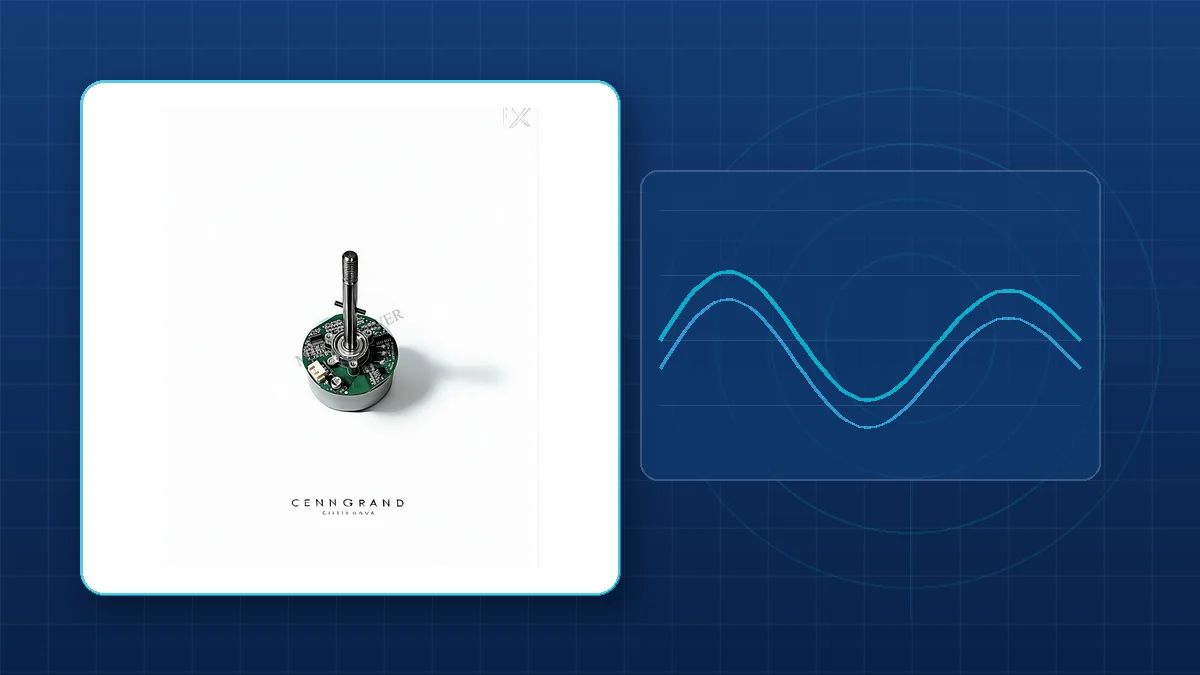
High-density computing, AI data centers, and advanced manufacturing electronics generate continuous thermal loads that traditional air cooling cannot handle efficiently. Liquid cooling coolant distribution units (CDUs) and industrial chillers have become essential infrastructure.
Selecting the right motor technology for coolant pumps and heat exchangers, specifically comparing Electronically Commutated (EC) motors with Brushless DC (BLDC) drives, determines long-term power consumption and system precision.
Architecture: EC Motors vs. Direct BLDC Drives
Both EC motors and BLDC motors rely on permanent magnets and electronic commutation to eliminate brush wear. The key distinction lies in power input and driver integration.
1. EC Motors (AC Input with Integrated Rectification)
EC motors accept direct AC grid power and use internal electronics to convert AC to DC, driving the permanent magnet motor. They offer plug-and-play simplicity for retrofit installations in standard building management systems.
2. BLDC Drives (Direct DC Input)
BLDC motors operate on native DC bus voltage supplied by centralized power distribution units. Eliminating individual AC-DC power conversion modules inside each motor reduces physical motor volume and minimizes component heat build-up.
Precision Control and Flow Rate Optimization
In liquid cooling networks, coolant flow rates must respond dynamically to server thermal spikes.
1. Variable Speed Adjustment
Direct BLDC motor drives respond rapidly to pulse-width modulation (PWM) or CAN-bus control signals, adjusting pump RPM within milliseconds to match real-time heat dissipation requirements.
2. Lower Harmonic Interference
Centralized DC-driven BLDC systems generate significantly less electromagnetic interference (EMI) and electrical noise compared to multiple decentralized AC-DC EC motor rectifiers operating in high-density server racks.
Energy Efficiency and TCO
1. Thermal Loss Reduction
Because BLDC motors receive DC power directly, they avoid the thermal conversion losses associated with individual internal AC-DC rectifiers. This keeps pump operating temperatures lower and extends bearing lubricant life.
2. 24/7 Continuous Operation
By eliminating thermal stress points and optimizing magnetic field switching, high-torque BLDC drives achieve higher efficiency ratings (exceeding 92%) under continuous 24/7 liquid circulation.
Summary
While EC motors offer convenient AC integration for standard HVAC retrofits, native BLDC motor drives deliver higher power density, precise flow rate control, and superior energy efficiency for high-density industrial liquid cooling platforms.
Related Engineering Guides
Ready to Optimize Your Motor Performance & Lower TCO?
Guangdong MYSUN Power Technology Co., Ltd. delivers customized BLDC, AC, and high-torque geared motor solutions tailored to your thermal, mechanical, and efficiency specs. Engineering proposals in 14–30 days; prototype batches (3–5 units) and production timelines confirmed following engineering review.